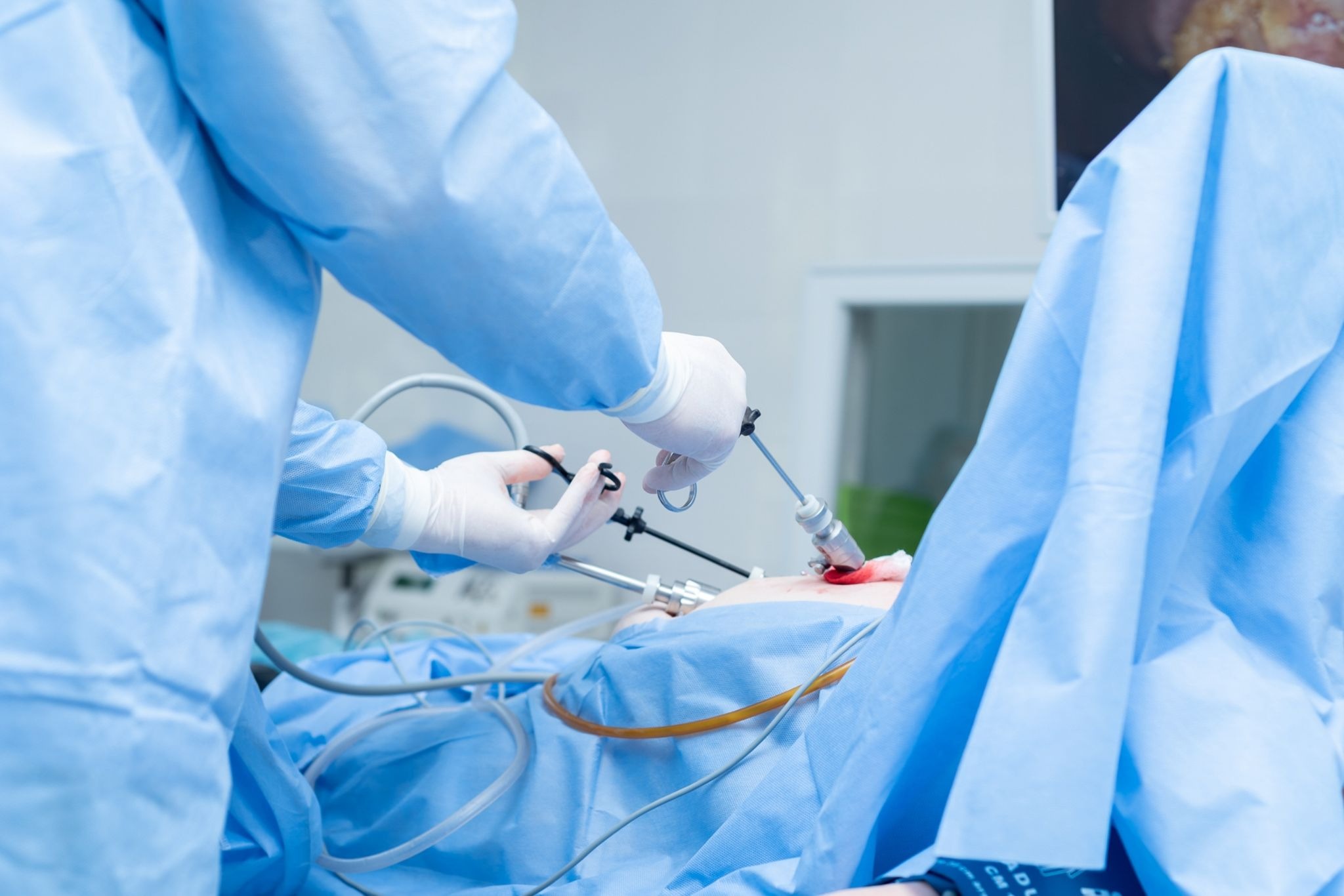
Gallbladder removal can relieve the pain and complications caused by gallstones, but it is normal to wonder what recovery actually involves.
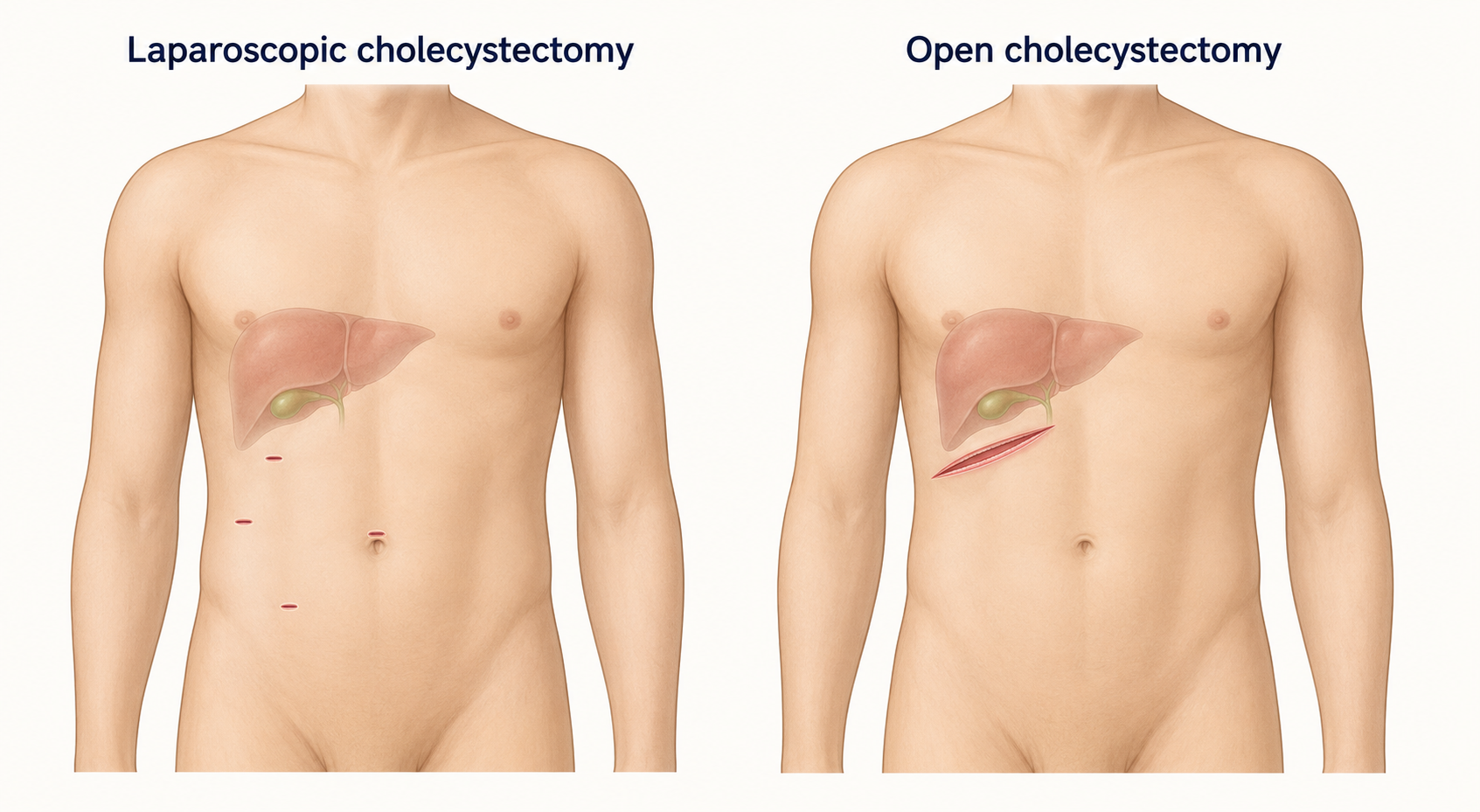
Many people can return to light daily activities within a few days after laparoscopic gallbladder surgery, which uses small incisions and minimally invasive techniques. Recovery after open gallbladder surgery generally takes longer and may take around 4–6 weeks. Understanding the recovery process week by week can help you manage expectations, reduce anxiety, and recover safely and comfortably.
Recovery after gallbladder surgery is different for everyone. Some patients feel comfortable returning to their usual routine relatively quickly, while others may need more time to regain their energy and mobility.
Factors that can affect your recovery include:
A week-by-week timeline can provide a useful guide, but your surgeon’s advice and your own progress are more important than reaching a particular milestone by a specific day.
| Time after surgery | What you may expect | Activity & Recovery |
| First 24 hours | Incision discomfort, tiredness, bloating, nausea or shoulder-tip pain | Rest, drink fluids and begin gentle movement as advised |
| Days 2–7 | Pain and bloating gradually improve, although energy and appetite may still be reduced | Take short walks, care for your wounds and gradually resume light daily activities. Some people may return to desk-based work if comfortable. |
| Week 2 | Incisions continue healing and movement usually becomes more comfortable | Gradually increase everyday activities. |
| Weeks 3–4 | Energy and stamina continue to improve | Progressively increase activity, while avoiding heavy lifting or strenuous abdominal exercise until cleared |
| Weeks 4–6+ | Many people are approaching their usual routine after uncomplicated laparoscopic surgery | Gradually return to exercise and fuller activity according to your recovery and surgeon’s advice |
The following timeline provides a general overview of recovery after an uncomplicated laparoscopic gallbladder removal. Recovery after open surgery generally takes longer.
It is normal to experience some discomfort during the first few days after surgery. Common symptoms include:
These symptoms usually improve gradually with rest, gentle walking and medication as advised by your doctor.
Proper wound care after gallbladder surgery is important to support healing and prevent infection. After laparoscopic gallbladder surgery, you will usually have 3–4 small incisions on your abdomen. These incisions are typically closed with absorbable stitches and adhesive strips (Steri-Strips), then covered with waterproof dressings. These dressings are usually removed during your follow-up appointment about 1 week after surgery.
Below are examples of surgical wounds and dressings after the surgery and during the recovery period.
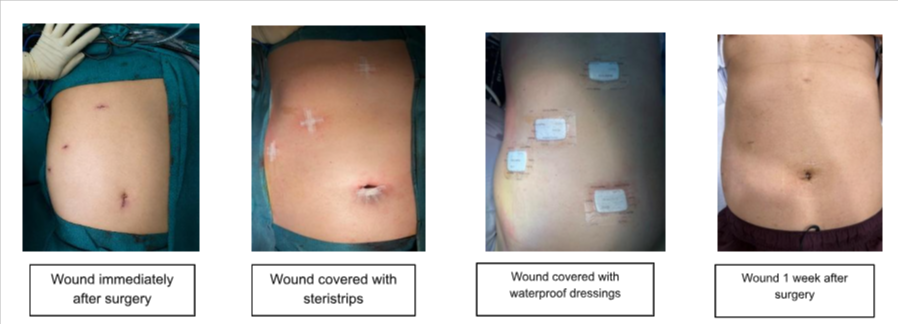
Please note: Photos are for educational purposes only. The appearance and healing time of surgical wounds may vary between individuals.
As your body heals, you can gradually increase your daily activities.
The following are common during recovery and usually improve gradually:
Contact the doctor if you notice:
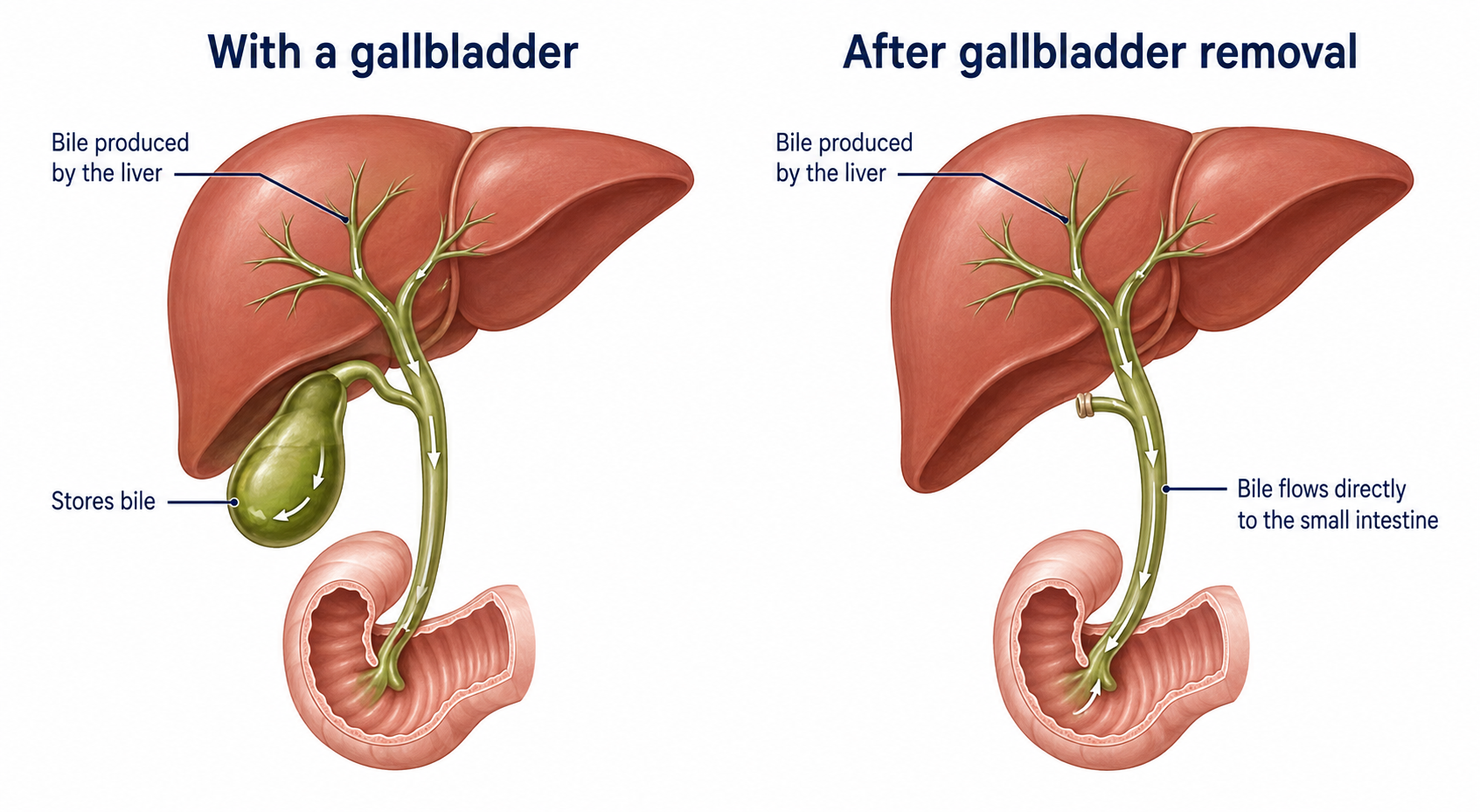
Your digestive system may take some time to adjust after gallbladder removal. During the early recovery period, smaller, lower-fat meals can help reduce digestive discomfort such as bloating or diarrhoea.
During recovery, you can:
Foods to avoid:
During the first few weeks after surgery, try to avoid
These foods may cause bloating, indigestion, or diarrhoea while your body adjusts. Most people can gradually reintroduce these foods over time
Recovery after gallbladder surgery is usually straightforward and relatively quick, particularly after laparoscopic surgery. Following your surgeon’s advice, caring for your wounds, taking regular gentle walks, and maintaining a balanced diet can help support a smooth recovery.
If you have concerns about your recovery or develop symptoms such as worsening pain, fever, or signs of wound infection, seek medical advice promptly.
Most people can live normally without a gallbladder and gradually return to their usual diet and activities after recovery. If you are preparing for gallbladder surgery or would like personalised advice about your recovery, schedule a consultation with Dr Lee Chin Li at Lee Surgery. He can assess your condition, discuss the appropriate treatment approach and guide you through what to expect before and after surgery.

This article has been medically reviewed by Dr Lee Chin Li


Gleneagles Medical Centre
Lee Surgery and Endoscopy
6 Napier Road, #04-16, Singapore 258499
Mount Elizabeth Medical Centre (Orchard)
Dr Lee @ KYM Surgery
3 Mount Elizabeth, #12-01, Singapore 228510
Farrer Park Medical Centre
Dr Lee @ KYM Surgery
1 Farrer Park Station Road, #13-05, Singapore 217562


Endoscopy
Gastrointestinal
Colorectal
Gallbladder
Pancreas
Liver
Copyright - © 2024. All Rights Reserved | Lee Surgery and Endoscopy


